New MetLife Data Finds Rising Cost Pressures Outpacing Gains in Workforce Well‑Being
New MetLife Data Finds Rising Cost Pressures Outpacing Gains in Workforce Well‑Being
Employers cite controlling health care costs as top benefits objective while employee health and workforce outcomes stall
NEW YORK--(BUSINESS WIRE)--According to new MetLife research, less than half of America’s workforce is holistically healthy as employees battle rising costs and employers balance investing in benefits with broader cost-cutting measures. These early findings from MetLife’s 2026 U.S. Employee Benefit Trends Study underscore the challenge of sustaining workforce well-being and engagement in an environment where both employees and employers are financially strained.
Employers cite controlling health care costs as the #1 benefits objective, surpassing productivity, loyalty, and attracting new talent for the first time since 2022.
Share
Key highlights include:
- 83% of employees say rising living expenses and medical costs are their top stressors and 77% say economic uncertainty is a major concern
- On average, employees miss 6.1 days of work due to health-related issues and 50% of employees often avoid seeking medical care because of out-of-pocket costs
- Employers cite “controlling health care costs” as the #1 benefits objective, surpassing productivity, loyalty, and attracting new talent for the first time since 2022
- 60% of employers increased their investment in benefits and 62% expanded their non-medical offerings
- As overall workforce well-being has stalled, with just 44% of employees report feeling holistic healthy1 and engagement, loyalty and productivity remaining flat2
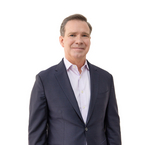
“Current economic conditions mean employers are under immense pressure to manage costs while remaining invested in employee well-being at a time when their workforce is also stressed,” said Todd Katz, Head of U.S. Group Benefits at MetLife. “Our research shows how effective benefits strategies can help organizations strike a balance between financial discipline and improving outcomes for their employees.”
Holistic Health and Non-Medical Benefits Drive Financial Gains
Employers recognize that investing in workforce health and well-being improves business outcomes. According to employers surveyed, for every $1 invested in employee health, employers would expect an average of $2.30 return through gains in productivity, retention, and lower medical spending. Holistically healthy employees also report being 25% more productive and loyal and taking 10% fewer sick days—driving a significant return on investment (ROI) for employers.
Non-medical benefits such as dental plans, financial wellness solutions, disability insurance and leave support are considered particularly impactful for lifting employee health while reducing costs—73% of employers say non-medical benefits are the most cost-effective way to support employee well-being and 83% report lower medical costs as a result of offering them.
Despite increased investments in benefits by employers, employee health and productivity have stalled. Employers need to strategically tailor benefit offerings to the specific needs of the workforce that provide meaningful support. Non-medical benefits such as legal services, accident and health insurance can play a critical role by supplementing medical plans and supporting employees across all ages and life stages.
How to Maximize ROI of Benefits Strategies
MetLife’s data emphasizes the impact that offering non-medical benefits can have on outcomes through significant uplifts in employee health—employees are 38% more likely to feel holistically healthy when using 5 or more non-medical benefits and 69% more likely when they use 10 or more.
Improving access to preventive care, which emphasizes early intervention and detection, can help employees reduce the risk of more serious and expensive health events in the future—84% of employees say preventive care reduces their chances of having more serious health problems and 80% say it saves them money as a result—62% also say non-medical benefits are essential to accessing preventive care, according to MetLife’s study.
“Through more strategic investments in employee health and benefits—beyond simply expanding the menu of options—organizations can help strengthen the resilience of their workforce in the face of persistent cost pressures,” adds Katz. “This ultimately empowers businesses to sustain growth, adapt to change and maintain a competitive edge in any environment.”
About MetLife’s Employee Benefit Trends Study & Methodology
MetLife’s U.S. Employee Benefit Trends Study (EBTS) is a leading source of insights into workplace trends, employee expectations, and employer strategies. MetLife’s 2026 EBTS is based on two quantitative studies, conducted October 2025, including surveys of 2,480 HR decision-makers and leaders, and 2,541 full-time employees from organizations of various industries and sizes. Respondents are aged 21+ and nationally representative of the full-time U.S. workforce in terms of demographics, job roles and firmographics. New to the 24th EBTS, MetLife used cultural insights and semiotics to explore shifting habits, motivations, and feelings among workers. The research is collected in partnership with STRAT7, a global strategy, insight, and planning consultancy.
About MetLife
MetLife, Inc. (NYSE: MET), through its subsidiaries and affiliates (“MetLife”), is one of the world’s leading financial services companies, providing insurance, annuities, employee benefits and asset management to help individual and institutional customers build a more confident future. Founded in 1868, MetLife has operations in more than 40 markets globally and holds leading positions in the United States, Asia, Latin America, Europe and the Middle East. For more information, visit www.metlife.com
1 MetLife’s EBTS defines holistic health as a combination of physical, mental, financial and social health
2 Holistic health: 44% (2023), 42% (2024), 44% (2025); Engagement: 72% (2023), 68% (2024), 69% (2025); Loyalty: 75% (2023), 73% (2024), 77% (2025); Productivity: 78% (2023), 76% (2024), 77% (2025)
Contacts
Mary Cassone
MetLife Communications
Mary.Cassone@MetLife.com